


IPTA vs. ISSA
When comparing the certifications of IPTA-CPT and ISSA-CPT, ISSA appears to be superior due to delivering long-term career value, employer trust, and global recognition that IPTA’s newer, tech-focused certification simply hasn’t proven yet. Even though IPTA promotes AI-driven study tools and bold pass guarantees, those features don’t outweigh ISSA’s decades of industry credibility and real-world acceptance.
This comparison breaks down the factors that truly matter when choosing a certification, such as total program cost (including potential hidden fees), exam structure and difficulty, employer recognition, and long-term career opportunities. You’ll see how IPTA’s tech-forward approach compares to ISSA’s established, business-oriented model, which is built to support trainers well beyond the exam and throughout their careers. By the end, it becomes clear why ISSA continues to be the safer and more reliable choice for most aspiring trainers while IPTA is a credential consistently featured among the best online CPT certifications in 2026. For a deeper breakdown of ISSA’s strengths, pricing, and career outcomes, see our full ISSA-CPT review.
IPTA vs. ISSA Comparison Overview
| Factor | IPTA-CPT | ISSA-CPT |
|---|---|---|
| Price | Starting from $399 | Starting from $868 (when paid in full) |
| Exam Format | Online or in-person proctored NCCA-accredited exam, 70% passing score | Take-home (untimed, open-book) or proctored NCCA-accredited exam, 75% passing score |
| Pass Rate | ~75% | 90% |
| Study Time | 4, 8, 16, or 32 week study plans are available | 8–10 weeks typical (up to 6 months) |
| Salary Average | Not established (program is still new) | $45,000–$100,000+ per year |
| Recertification | Every 2 years, $99 fee (first recertification free if choosing MVP program) | Every 2 years, $99 (fee waived if CEUs are obtained through ISSA) |
| Best For | Tech-savvy students seeking AI study tools and unlimited retakes | Trainers seeking proven industry recognition and international opportunities |
IPTA is a newer, tech-driven certification that focuses on AI-powered study tools, adaptive learning, and strong student guarantees. It appeals to digital-first learners who value unlimited retakes and structured exam-readiness systems, though its industry track record is still developing.
ISSA is a well-established, globally recognized certification known for its flexible, self-paced format and career-focused education. It’s designed for aspiring trainers who want broad gym acceptance, built-in business and nutrition training, and a proven path to long-term success in the fitness industry.
The Real Cost Breakdown: IPTA vs. ISSA
When comparing IPTA and ISSA personal trainer certifications, the price difference is substantial. IPTA appears significantly cheaper upfront, but ISSA’s pricing includes more proven value.
Key Cost Differences:
- IPTA-CPT: Starting from $399 (Rookie package)
- ISSA-CPT: $868 full price or $89 down with 0% interest financing for 12 months
- Savings: IPTA-CPT is $469 cheaper than ISSA at base price
- IPTA Financing: 0% interest, 12 monthly installments available
- ISSA Financing: 0% interest, no credit checks, monthly plans as low as $89 to start
- Rookie ($399): Basic certification, textbook, and interactive study guide
- All-Star ($599): Basic certification, textbook, interactive study guide, exam simulator, and flashcard system
- MVP ($799): Basic certification, textbook, interactive study guide, exam simulator, flashcard system, job assurance guarantee, SurePass AI, unlimited exam retakes, audio study guide, tailored study guides, performance reporting, and an exam date tracker
IPTA-CPT Additional Expenses:
- Bonuses included (January 2026): Trainer Stack (8 business courses), CPR/AED certification, essential cheat sheet
- No exam retake fees (unlimited retakes included in All-Star and MVP packages)
- First recertification FREE with MVP program (saves $200+ compared to competitors)
- Job Assurance Guarantee: Included inMVP ($799) package only
- 30-day money-back guarantee: Full refund, no questions asked
- Small administrative fee for proctored exam (if chosen)
- Printed textbooks are optional (digital included)
- Exam retest fee: $99 after second attempt
- Major Advantage: No separate exam cost, certification exam included in price
- Retest Policy: First retest is FREE; subsequent retests $99 each
Recertification
IPTA-CPT: Every 2 years, 20 hours of continuing education after 2 years (first recertification is free if using MVP program), $99 otherwise
ISSA: Every 2 years, 20 CEUs required, $99 recert fee
IPTA-CPT offers exceptional upfront value at $399–$799 with a 2-year recertification cycle and first recertification free with the MVP program. This represents significant savings, especially for budget-conscious trainers.
ISSA-CPT costs more upfront ($868) but includes proven business training, established industry reputation, and global gym acceptance that may justify the investment for long-term career success.
The Real Question:
Is IPTA’s lower price worth the risk of choosing a certification with limited industry recognition and no independent reviews?
Job Market Analysis: NCSF vs NASM
The 2026 fitness job market favors certifications employers already recognize and trust and this is where ISSA clearly stands out.
While both IPTA and ISSA are NCCA-accredited, IPTA remains largely unproven. Its job guarantees and employer claims lack independent verification, with little evidence of real-world gym acceptance or documented career outcomes. For new trainers, that uncertainty carries real risk.
ISSA, by contrast, has decades of established credibility, verified acceptance at major gym chains worldwide, and built-in business training that supports long-term income growth. With consistent employer recognition, international portability, and proven job pathways, ISSA is the safer and more reliable choice for most aspiring trainers.
Bottom line:
a cheaper certification isn’t a better value if employers don’t recognize it. For career security and real job access, ISSA is the better option.
Exam Comparison: Difficulty & Format
The IPTA-CPT and ISSA-CPT exams offer different levels of flexibility and difficulty. Pass rates differ: IPTA-CPT at ~75% and ISSA-CPT at ~90%, though IPTA markets a “99% pass rate” that isn’t supported by official data
IPTA-CPT Exam:
- Format: Multiple-choice exam, 70% passing score required
- Location: Online via remote proctoring OR in-person proctored
- Duration: Fully flexible within exam eligibility period
- Special Features: SurePass AI system predicts when you're ready for the exam
- Exam Simulator: Over 800 practice questions in real-test atmosphere
- Tutor Mode: Choose questions from specific chapters, marked questions, unused questions, or previously incorrect answers
- Proctored: Yes (online or in-person options)
- Pass Rate: ~75% (official data)
ISSA Exam Options:
- Take-Home Exam: Untimed, open-book, multiple-choice test completed online at your own pace
- Proctored NCCA-Accredited Exam: Closed-book, timed test administered remotely with webcam monitoring
The take-home format allows you to start, pause, log out, and return anytime within your enrollment period, reducing test anxiety.
Content Focus
IPTA-CPT
Results-first training model covering exercise science, program design, client assessment, special populations, nutrition, and professional practice. Emphasizes adaptive learning with AI-guided study paths.
ISSA-CPT
Tests across six main domains: basic and applied sciences, client assessments, program design, special populations, nutrition, and professional practice. Avoids true/false or complex math questions, focusing on practical, applicable knowledge.
Retake Policies
IPTA-CPT
- Unlimited exam retakes at no extra cost (included in MVP package)
- Rookie package ($399) retake is $200
- Exam Pass Guarantee: Focus on passing without worrying about costly retake fees
ISSA-CPT
- First retest is free
- Each subsequent retest (third attempt, fourth attempt, etc.) incurs a $99 administrative fee
- All course quizzes must be completed before final exam becomes accessible
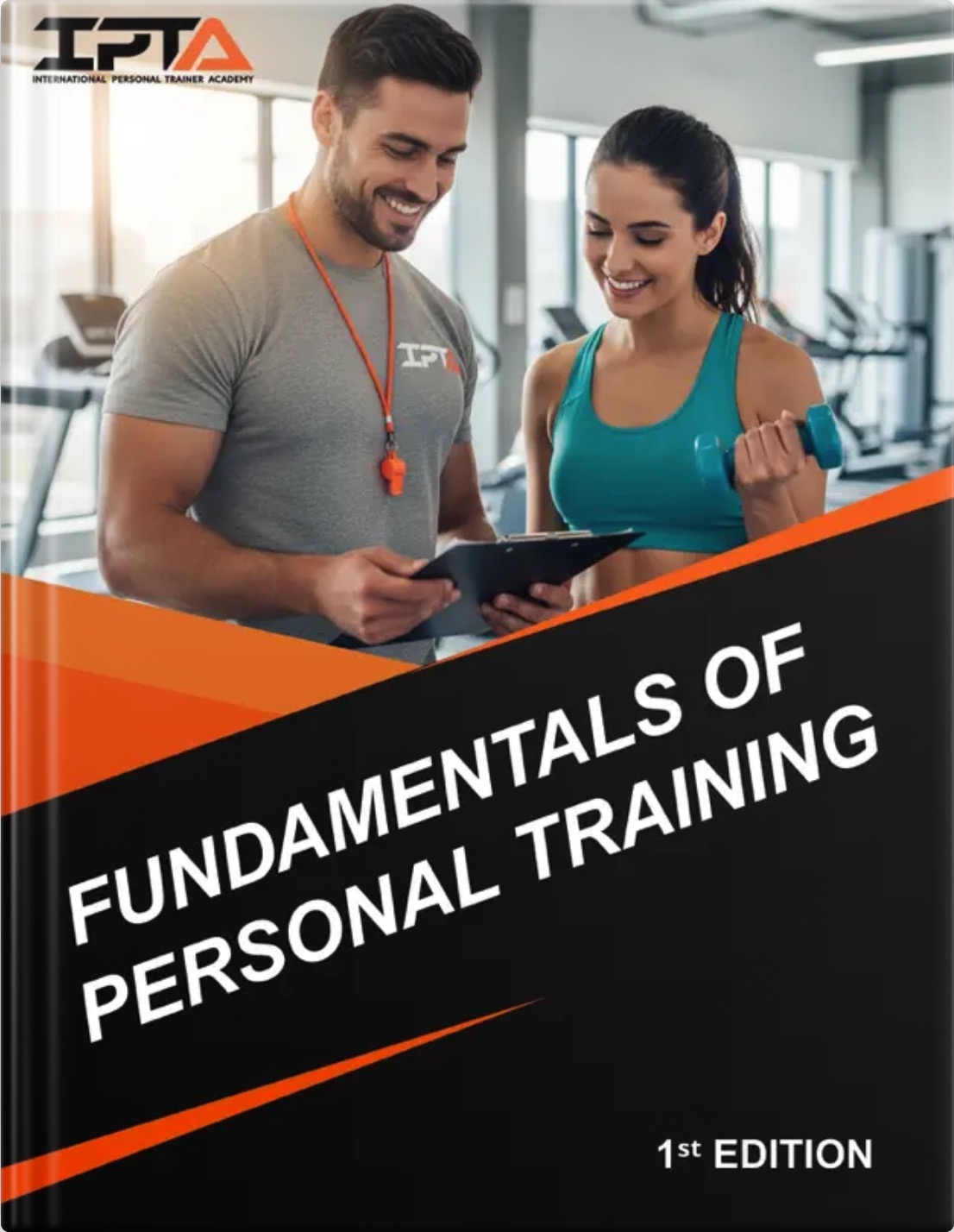
IPTA-CPT Study Tools:
- SurePass AI: Predicts exam readiness and optimal test timing (MVP package)
- Exam Simulator: 800+ practice questions (All-Star and MVP packages)
- Flashcard system (All-Star and MVP packages)
- Interactive study guide (available with all packages)
- Audio study guide (MVP package)
- Performance reporting (MVP package)
- Study streaks and gamification (MVP package)
- Weak point training (MVP package)
- Tailored study plans (MVP package)
- Magic mnemonics (MVP package)
ISSA-CPT Study Tools:
- Multimedia learning: PDFs, quizzes, audio lectures, videos
- Organized into 10 weekly modules
- Direct study support
- Business guides
- Interview preparation
Both exams require CPR/AED certification.
The IPTA exam’s 75% pass rate (despite aggressive study support and unlimited retakes) raises questions about actual difficulty. The ISSA exam’s 90% pass rate and open-book format make it one of the most accessible major fitness certifications.
Which one feels harder?
IPTA’s 70% passing score requirement and proctored format suggest moderate rigor, but the lack of independent feedback makes it impossible to verify. ISSA’s proven track record and transparent pass rates provide clearer expectations.
Study Experience & Materials Comparison
| Study Element | IPTA-CPT | ISSA-CPT |
|---|---|---|
| Material Quality & Format | 100% digital with adaptive learning tools, interactive modules, flashcards, audio guide (MVP), and exam simulator (800+ questions) | Multimedia learning with PDFs, quizzes, audio lectures, and videos across 10 structured modules |
| Learning Style | AI-driven and tech-focused; best for learners who enjoy gamification and adaptive systems | Supports visual, auditory, and self-paced learners with multiple study formats |
| Support System | Learning portal with reminders, SurePass AI guidance, performance tracking (MVP package) | Direct study support plus business guides and interview preparation |
| Time Commitment | Flexible: 4, 8, 16, or 32 week study plans are available | Typically 8–10 weeks at 1–2 hours/day (up to 6 months) |
| Content Emphasis | Results-first model with optional business blueprint course ($199 value) | Practical training with integrated business and nutrition education |
| Flexibility | Fully online with fast-track or extended study options | Fully online; fast-track in 3–4 weeks or study over 4–6 months |
| Textbook Access | Free digital textbook for all users with lifetime access (Kindle, Apple Books, PDF, web) | Digital textbook included; printed version available for purchase |
IPTA offers a tech-heavy online platform with AI-driven study tools, exam simulators, and lifetime material access. It’s engaging and flexible, but largely unproven in real-world use.
IPTA Strengths
AI-powered study optimization, free textbook access, lifetime materials, strong gamification
IPTA Limitations
Limited independent reviews, unverified performance claims, and no confirmed user feedback outside promotions
ISSA uses a well-established online system with PDFs, videos, audio lectures, and quizzes in a fully self-paced format. The platform is widely used and supported by years of student outcomes.
ISSA Strengths
Proven content quality, built-in business training, multiple learning formats
ISSA Limitations
Occasional technical issues and mixed feedback on content consistency
What Most People Miss: The Real IPTA vs. ISSA Differences
IPTA-CPT: Big Promises, Little Proof
IPTA offers modern features and aggressive guarantees, but lacks independent validation. There’s virtually no real discussion in fitness communities, pass-rate claims conflict with official data, and employer acceptance remains unverified. Its low price and AI tools are attractive but risky if gyms don’t recognize the credential.
ISSA-CPT: Proven, Despite Imperfections
ISSA isn’t flawless. The exam is considered easy by some, and the platform has occasional tech issues. However, it has decades of documented success, widespread gym acceptance, and thousands of independent reviews confirming real job access.

Bottom Line:
IPTA may appeal to risk-takers who value tech along with cost savings. ISSA remains the smarter choice for most new trainers because employers recognize it, hire from it, and trust it despite its shortcomings.
Study Experience & Materials Comparison
1. Get Certified, Then Learn on the Job
Many veteran trainers recommend choosing a low-barrier certification simply to get hired and insured, then building real skills through coaching, mentorship, and client experience. Several noted ISSA wasn’t perfect, but it opened doors.
2. Skills Matter More Than the Certificate
Trainers consistently emphasize that success depends more on personality, communication, sales, and genuinely caring about clients than on the certification itself.
3. Employer Recognition Beats Features
Advanced tools and guarantees don’t matter if gyms don’t accept the credential. A recognized certification is more valuable than AI features or unlimited retakes.
4. Verify Before Enrolling
Call local gyms, check independent forums, and avoid overpaying. Certifications with no real-world feedback or employer recognition are a gamble.
Final Verdict: IPTA-CPT vs. ISSA-CPT
After weighing cost, exam structure, employer acceptance, and real-world outcomes, ISSA-CPT is the better and safer choice for most aspiring personal trainers. Its higher upfront cost is justified by decades of proven success, verified gym acceptance, and consistent career outcomes.
IPTA looks appealing on paper with low pricing, AI-driven study tools, unlimited retakes, and free first recertification with purchase of the MVP package. However, the lack of independent reviews, employer testimonials, and verified job outcomes makes it a gamble. IPTA may only make sense if you’ve confirmed local gym acceptance, prioritize AI-based study tools, and are willing to risk limited employer recognition.

ISSA-CPT stands out for what actually gets trainers hired:
- Verified acceptance at 10,000+ gyms worldwide
- Decades of documented success stories and independent reviews
- Built-in business and nutrition training
- Flexible, fully online format with fast completion options
- Strong income potential and international recognition
For new trainers, ISSA offers lower career risk and higher long-term value. IPTA’s features don’t matter if employers don’t recognize the certification. ISSA costs more upfront but delivers what matters most: credibility, job access, and proven results.
Important Note:
Certification prices, requirements, and program features are subject to change. Always verify current details, costs, and policies directly with IPTA and ISSA before enrolling to ensure you have the most accurate and up-to-date information. Most importantly, call local gyms in your area to confirm which certifications they actually accept before making your decision.

Hannah Daugherty
Hannah is a certified trainer through both the American Council on Exercise and National Academy of Sports Medicine. She also obtained her Corrective Exercise Specialist certification through NASM. With a Bachelor’s degree in Kinesiology and a Master’s degree in Exercise Science, Hannah enjoys devoting her time to staying on top of current fitness trends and putting in to practice the many different skills she has learned, including fact checking, proofreading, and writing scholarly-based health and wellness articles. Hannah recently received her Level 2 Master Health Coach certification from Precision Nutrition, and is planning on becoming a board-certified Health Coach. She enjoys reading, weight lifting, and spending time with her husband and son.