
NASM Performance Enhancement Specialization (PES)
The NASM Performance Enhancement Specialization (PES) is the premier specialization designed for fitness professionals who want to train athletes and active individuals at the highest level. The program focuses on practical coaching skills supported by current sports-science research and offers a flexible, cost-effective path for advancing strength and conditioning expertise. With over 35 years in the industry and wide recognition across professional sports organizations, including all NFL teams, NASM provides a well-established and credible credential.
Quick Stats
Here’s what you need to know before enrolling in the NASM-PES.
| Feature | Details |
|---|---|
| Price | $59/month for 12 months + $49 down payment |
| Format | 100% online, self-paced |
| Duration | As little as 2 weeks; up to 1 year allowed |
| Prerequisites | NASM-CPT, a Bachelor’s degree, or a health/fitness credential recommended (but not required) |
| Focus | Athletic performance enhancement and strength & conditioning |
| Exam | Open-book, 90 minutes, 70% required to pass |
| Support | Access to NASM experts and interactive multimedia content |
| CEUs | 1.9 NASM CEUs, 1.9 AFAA CEUs, 30.75 BOC CEUs |
| Exam Validity | 365 days from enrollment to complete |
| Credential Expiration | Does not expire once earned |
Quick Verdict: Who NASM PES Is (and Isn't) Right For

Best for professionals who:
- Already hold a CPT or fitness credential (NASM-CPT, for example)
- Work with athletes or active clients
- Want an affordable entry into strength and conditioning
- Prefer flexible, self-paced study
- Want a credential recognized by major sports organizations
- Aim to improve earning potential and expand services
If you’re considering the NASM-CPT credential before moving into performance training, you can check out our full review guide to learn everything you need about that certification first.

Consider alternatives if you:
- Need NCCA accreditation for institutional requirements (collegiate or professional positions may require this)
- Want the most comprehensive strength and conditioning education (consider NSCA-CSCS)
- Prefer in-person, hands-on training components
- Don't have any fitness background (start with CPT first)
- Need deeper exercise physiology content for research or academic roles
- Are working in settings that specifically require NCCA-accredited certifications
If you need an NCCA-accredited certification for job requirements or want the most scientifically comprehensive option, the NSCA-CSCS is the better choice. Keep in mind it has a 39% pass rate (as of 2024) and costs $340-$475, with higher retake fees.

Path to Certification:
- Register for NASM-PES
- Complete self-paced online course (2 weeks–1 year)
- Pass 100-question open-book exam (70% required, 3 attempts)
- Receive digital badge and certificate
- Begin coaching athletes and active clients
Quick Verdict: Who NASM PES Is (and Isn't) Right For

Accreditation Status:
- NASM-PES is a specialization and not NCCA-accredited
- NASM-CPT holds NCCA accreditation; PES is intended as an add-on credential
- Despite limited formal accreditation, PES is widely recognized in the fitness and sports performance industry
Prerequisites:
There are no mandatory prerequisite certifications, educational requirements, or age restrictions to enroll.
Industry Recognition
The NASM-PES is widely adopted across major U.S. professional sports organizations, including the NFL, NBA, NHL, MLB, MLS, NWSL, and WNBA.It is also recognized in over 100 countries, supported by partnerships with 14,000+ gyms and health clubs, has trained more than 1.5 million professionals, and typically helps NASM-CPTs earn around 59% higher income in youth, collegiate, professional, and private sports performance roles.
Continuing education credits:
- 1.9 NASM CEUs
- 1.9 AFAA CEUs
- 30.75 BOC CEUs
NASM PES Course Structure and Content
NASM’s PES program is built around six comprehensive sections that blend up-to-date sports performance science with practical coaching application. The curriculum is designed to help you work confidently with athletes of all ages, sports, and competition levels, from youth athletes to professionals.
Section 1: Coaching and Sport Psychology
- What performance enhancement is and what a PES does
- Building trust, motivation, and mental resilience
- Sport psychology principles and ethical coaching strategies
- Communication and behavior-change techniques for athletes
Section 2: Introduction to Sport Science
- Understanding the OPT™ (Optimum Performance Training) Model
- Biomechanics and movement science fundamentals
- Applying science to design smarter, results-driven programs
- Maximal Power phase training concepts
Section 3: Assessments, Testing, and Monitoring
- Comprehensive athlete evaluation protocols
- Static and dynamic postural assessments
- Overhead squat and single-leg squat assessments
- Performance testing for speed, power, agility, and endurance
- Tracking progress and tailoring training to individual goals
Section 4: Components of the Integrated Training Model
- Flexibility training for performance enhancement
- Cardiorespiratory training strategies and heart rate zones
- Core training concepts for stabilization, strength, and power
- Balance training and proprioceptive development
- Plyometric training principles and progressions
- Speed, agility, and quickness (SAQ) training
- Integrated resistance training protocols
- Olympic lifting techniques and progressions
Section 5: Program Design
- The science of periodization and the OPT Model
- Program design principles for athletic populations
- Biomotor development strategies
- Exercise selection and progression frameworks
- Supporting peak performance and injury resistance
- Applying the OPT Model to sports performance
Section 6: Nutrition and Supplementation
- Performance nutrition fundamentals
- Macronutrients: carbohydrates, proteins, and fats for athletes
- Micronutrients and energy balance
- Hydration strategies for training and competition
- Muscle recovery and energy recovery protocols
- Weight and body composition management
- Evidence-based supplementation guidance
- Scope of practice for sports nutrition
Unlike general fitness certifications, the PES focuses entirely on athletic performance enhancement, injury prevention, reconditioning, and competitive readiness. The material is taught through real-world scenarios, exercise technique demonstrations, and case studies designed specifically for athletic environments.
How the Material Is Delivered
NASM-PES is delivered through a fully online learning platform with the following features:
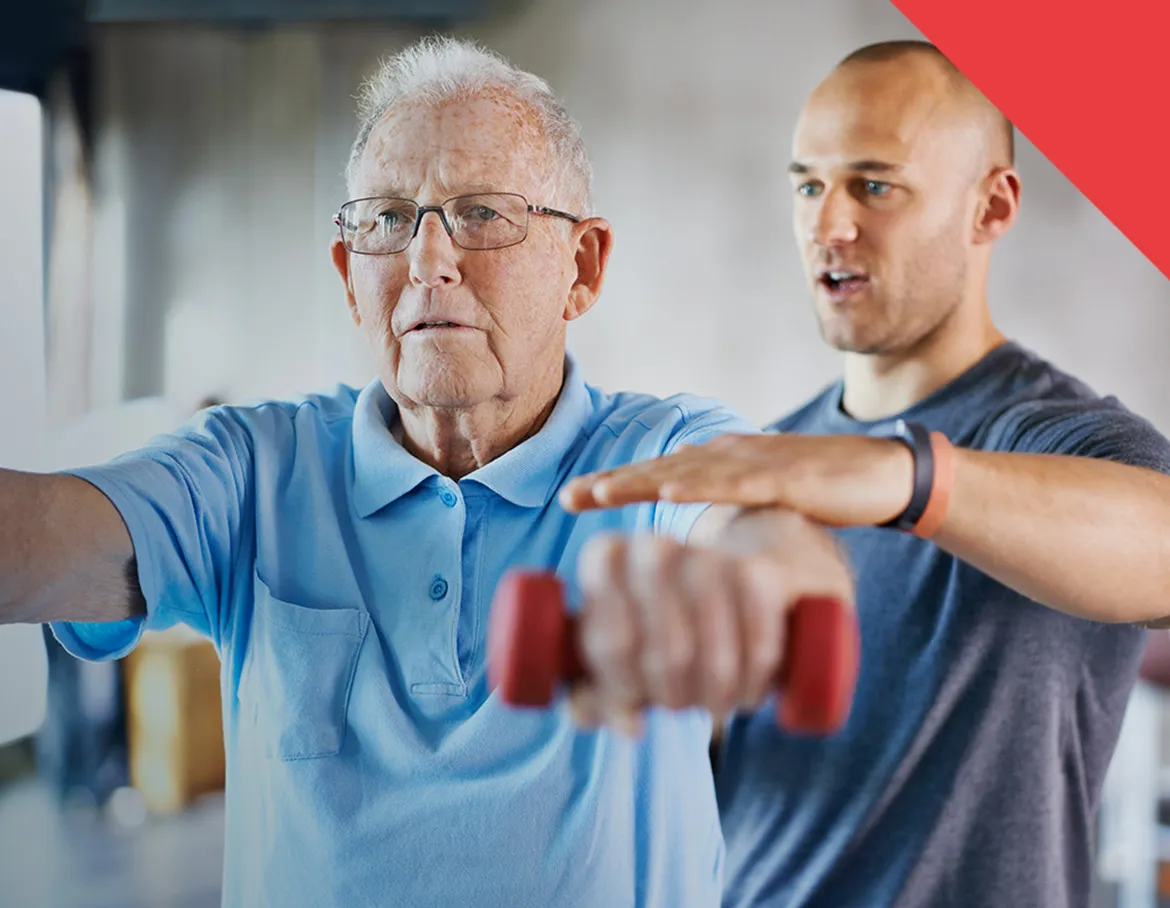
- Study anytime on any device
- Digital textbook (hardcopy available with higher-tier packages)
- Instructional video lectures and exercise demonstrations
- Interactive learning tools, including infographics and practice activities
- Module quizzes and practice exams to assess progress
- Study planners to help organize learning
- Access to NASM experts for support
- Regular content updates based on current research
The platform is structured for clear navigation and supports multiple learning styles through video, reading, and applied tools.
How Hard Is the NASM-PES Exam?
NASM-PES Exam Overview
The NASM-PES exam is thorough but designed to be accessible, especially compared to other strength and conditioning certifications.
Exam Format & Requirements:
- Questions: 100 multiple-choice
- Time: 90 minutes (approx. 54 seconds per question)
- Format: Open-book; reference course materials allowed
- Passing Score: 70%
- Attempts: 3 included; additional retests available
- Deadline: Must be completed within 365 days of enrollment
- Delivery: Online, anywhere with stable internet
- Credential: Never expires once earned
Pass Rate & Difficulty
The NASM-PES exam does not have an officially published pass rate. Its difficulty is considered moderate, as the open-book format and comprehensive prep materials make it manageable for dedicated learners. For comparison, the NSCA-CSCS has a 39% pass rate, is closed-book, and significantly more difficult, while the ISSA-SCC is similar in difficulty to the NASM-PES.
Factors That Make It Manageable:
- Open-book format reduces memorization pressure
- Module quizzes and practice exams reinforce knowledge
- 70% passing threshold allows room for error
- Three attempts included with enrollment
- 90-minute time limit sufficient for most test-takers
Potential Challenges:
- Broad content across six sections
- Application-focused questions require conceptual understanding
- Must know OPT Model thoroughly
- Includes detailed Olympic lifting techniques
- 90-minute time limit may feel tight for some
Study Recommendations:
- Complete all quizzes and practice exams
- Take detailed notes for open-book reference
- Focus on OPT Model and periodization concepts
- Watch all exercise demonstration videos
- Use practice exams to identify weak areas
- Follow a study schedule; use full 12-month window if needed
- Participate in study groups or forums for support
If You Don’t Pass
If you don’t pass the NASM-PES exam (after three attempts), additional retests can be purchased, and NASM support is available to guide you on areas to focus on for your next attempt.
NASM-PES vs. Other Strength and Conditioning Certifications
| Program | Price | Format | Accreditation |
|---|---|---|---|
| NASM-PES | $757 | Online | Specialization (non-NCCA) |
| NSCA-CSCS | $340-475 | Online | NCCA-accredited |
| ISSA-SCC | $639.24 | Online | NCCA-accredited |
| ACE Sports Performance | $357 | Online | Specialization |
NASM-PES Head-to-Head Comparisons
NASM-PES vs NSCA-CSCS
Choose NSCA-CSCS for
- Employment requiring NCCA accreditation
- Targeting collegiate or institutional strength & conditioning roles
- Needing more comprehensive exercise physiology education
- Willing to handle higher difficulty (39% pass rate)
- Seeking “gold standard” credential
- Working in research or academic settings
- Lower cost ($340-$475 vs. $757)
- Open-book exam
- Flexible, self-paced learning
- A credential that never expires
- Incremental credential building
- Accessibility prioritized over difficulty
- Recognition from professional sports organizations
NASM-PES vs ISSA-SCC
Choose ISSA-SCC for
- Employment requiring NCCA accreditation
- Preferring ISSA’s educational approach
- Business-building resources
- Investing in the ISSA ecosystem
- Lower cost ($639.24 vs. $757)
Choose NASM-PES for
- Stronger industry recognition (100% NFL adoption)
- OPT Model framework
- Broader global recognition
- Open-book exam format
NASM-PES vs ACE Sports Performance
Choose ACE Sports Performance for
- Preferring ACE’s educational approach + currently ACE-certified
- Slightly shorter program
- Lower cost ($357 vs. $757)
Choose NASM-PES for
- Strong professional sports reputation
- OPT Model framework
- Broader industry recognition
NASM-PES Pricing and What's Included
The NASM-PES costs $757 via a 12-month payment plan ($59/month with $49 down). Three main packages are available: Self-Study for essentials, Premium Self-Study and the Sports Performance & Nutrition Bundle.
All packages include full online access to six course sections, instructional videos, interactive quizzes, practice exams, and guidance from NASM experts.
What’s Included in All Packages (Self-Study also):
- Full online access to six course sections
- Interactive multimedia content and instructional videos
- Module quizzes and practice exams
- Access to NASM experts
- Mobile-friendly, state-of-the-art digital platform
- Continuously updated, peer-reviewed curriculum
- Instant access upon enrollment
- Up to 3 exam attempts
Self-Study ($59/month)
the essentials for budget-conscious learners.
Premium Self-Study ($69/month)
which beyond what’s in the Self-Study package, also provides:
Sports Performance & Nutrition Bundle ($99/month)
the complete performance coaching. Includes everything in Premium Self-Study, plus
Value Analysis
At $757 for a lifetime credential with elite recognition, NASM-PES offers strong value compared to certifications with costly renewals or limited industry acceptance.
NASM PES Pros and Cons
Pros:
- Affordable ($757)
- Flexible prerequisites
- Self-paced, fast completion
- Performance-focused & evidence-based (OPT™ Model)
- Multimedia content & expert support
- Reputable, globally recognized
- Open-book exam, multiple attempts
- Mobile-friendly, credentials never expire
- Career boost: ~59% higher earnings
- CEUs included for recertification
Cons:
- Online only, no hands-on workshops
- Not NCCA-accredited
- 90-min exam, must finish within a year of purchase
- Extra cost for retests beyond 3 attempts
- Best paired with CPT; limited practical experience
- Less exercise physiology depth than CSCS
- No live mentorship
Final Verdict: Is NASM’s Performance Enhancement Specialist Program Worth It?
The NASM Performance Enhancement Specialist program is absolutely worth it for fitness professionals who want to enter the sports performance field with a credible, practical specialization.

Why it's a smart investment:
- Affordable at $757 for a lifetime credential
- Respected by 100% of NFL teams and major sports organizations
- Practical with immediately applicable programming frameworks
- Flexible with self-paced learning up to one year
- Valuable with 59% higher earning potential for NASM-CPTs
- Comprehensive while covering all aspects of athletic performance training
- Accessible with open-book exam and multiple attempts
The curriculum is evidence-based, immediately applicable, and designed for flexible, self-paced learning, ideal for motivated coaches, trainers, and athletes who want actionable strategies they can use right away with real clients.
For those seeking a reputable, affordable path into sports performance training without sacrificing depth or quality, and who want a credential backed by the organizations training 100% of NFL performance staff, the NASM-PES is one of the strongest options available.
Final Recommendation
If you’re a personal trainer, coach, or fitness professional looking to differentiate yourself, work with higher-level clients, and increase your earning potential and you want a certification that provides a clear, evidence-based framework you can implement immediately, get the NASM-PES now.
Important Note
Prices and program requirements may vary over time. Confirm the latest details directly from NASM before enrolling. Visit www.nasm.org for current information.
FAQs About NASM-PES
Can NASM-PES Be My First and Only Certification?
You can technically enroll in PES without a prior certification, but in practice it’s not wise to treat it as your only credential. Most employers and insurers will still want an accredited CPT or a relevant degree/license as your primary qualification.
Does PES Alone Qualify Me to Work With Teams or Schools?
Generally, no. Schools and colleges typically prefer or require CSCS and appropriate degrees for formal S&C roles. PES can complement your credentials, but it does not replace CSCS or a degree in institutional settings.
How Long Does It Realistically Take to Finish?
Most learners complete PES in 4–12 weeks, depending on background and schedule. NASM usually gives you up to 1 year of access, so there’s ample time even with a busy workload.
Can I Use PES for My NASM-CPT CEUs?
Yes. NASM PES typically counts for a substantial portion of your NASM-CPT recertification CEUs. Always check NASM’s current CEU policy and credit allocation at the time you enroll.
Is NASM-PES Recognized Internationally?
NASM has solid global brand recognition, but local regulations and employer expectations vary. If you’re outside the US, you should verify local requirements and consider holding a regionally recognized foundational certification alongside PES.

Hannah Daugherty
Hannah is a certified trainer through both the American Council on Exercise and National Academy of Sports Medicine. She also obtained her Corrective Exercise Specialist certification through NASM. With a Bachelor’s degree in Kinesiology and a Master’s degree in Exercise Science, Hannah enjoys devoting her time to staying on top of current fitness trends and putting in to practice the many different skills she has learned, including fact checking, proofreading, and writing scholarly-based health and wellness articles. Hannah recently received her Level 2 Master Health Coach certification from Precision Nutrition, and is planning on becoming a board-certified Health Coach. She enjoys reading, weight lifting, and spending time with her husband and son.